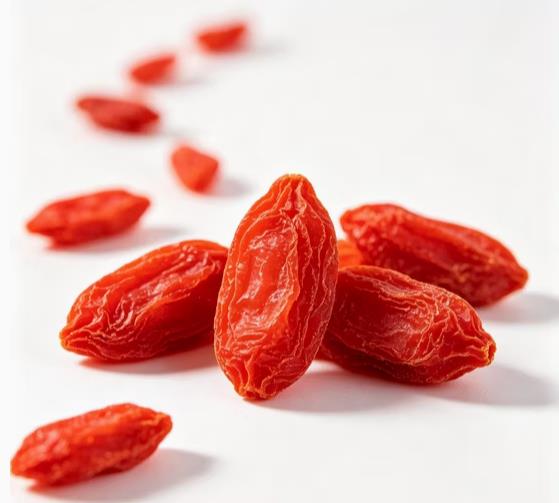
2026-11-11 Test reports only help buyers who can read them. This explainer covers pesticide residue, moisture, polysaccharides and protein, microbial counts, and size and colour sorting for organic goji berries, showing what a good result looks like and what a borderline result means. It explains why the test method matters as much as the number, how to compare two reports side by side, and how to write the key figures into a purchase contract so testing protects the order. Keep the laboratory name on file with every report you receive.
Read More 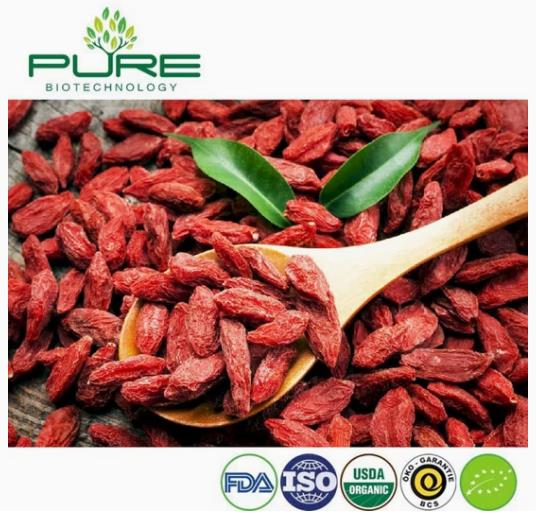
2026-11-11 A place name is not a specification. This material comparison helps bulk buyers judge Ningxia goji berries on form, grade, organic status, test results, traceability and pack format, and explains which documents prove an origin claim. Dried berries are compared against powder and juice, organic against conventional, and large grades against small ones, with the verified figures of a certified organic berry as the benchmark. Buy the material you can verify, not the story on the quotation. The benchmark figures come from a certified organic berry, so every comparison in this article can be checked against a real specification.
Read More 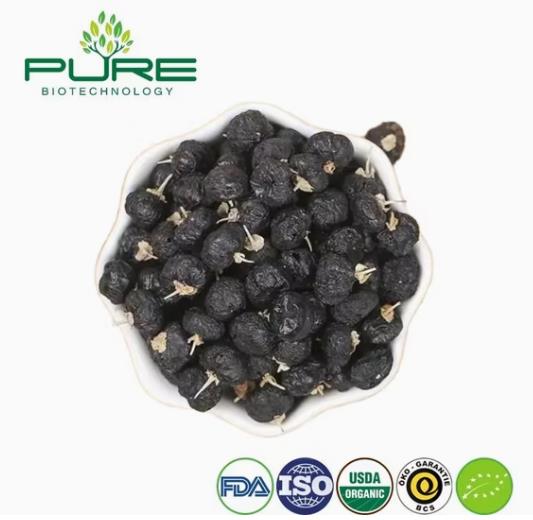
2026-11-11 Importers who buy dried goji berries by the carton need more than a low price: they need the right grade, a readable specification sheet and certificates they can trust. This checklist walks through size grades from 180 to 550 berries per 50 grams, moisture and polysaccharide limits, organic certification and traceability, packaging, ports and lead times, and a step-by-step routine for samples and arrival checks. It uses published specification figures as benchmarks so buyers can compare any supplier on equal terms and place a first trial order with confidence.
Read More 


